

Sometimes inconsolable.
My childhood babysitter came for tea.

“It’s me, Ellen,” she said. Took me some seconds to place her. We’re exiting a dharma talk by a dear teacher, the legendary Wendy Johnson, author of Gardening At The Dragon’s Gate, and my mind is on Wendy’s vivid turns of phrase, her invitations to the fire and water of the teachings, of our times.
It’s my babysitter from when I was little. Ellen Abrams. Twin of Eve Abrams, both legends in my mind. Just two years older, but I’ve known them my entire life, or at least since I’m five; I’m moved inside to another time.
I’ll go looking for my childhood eyeglasses later that night, and find them. So tiny.
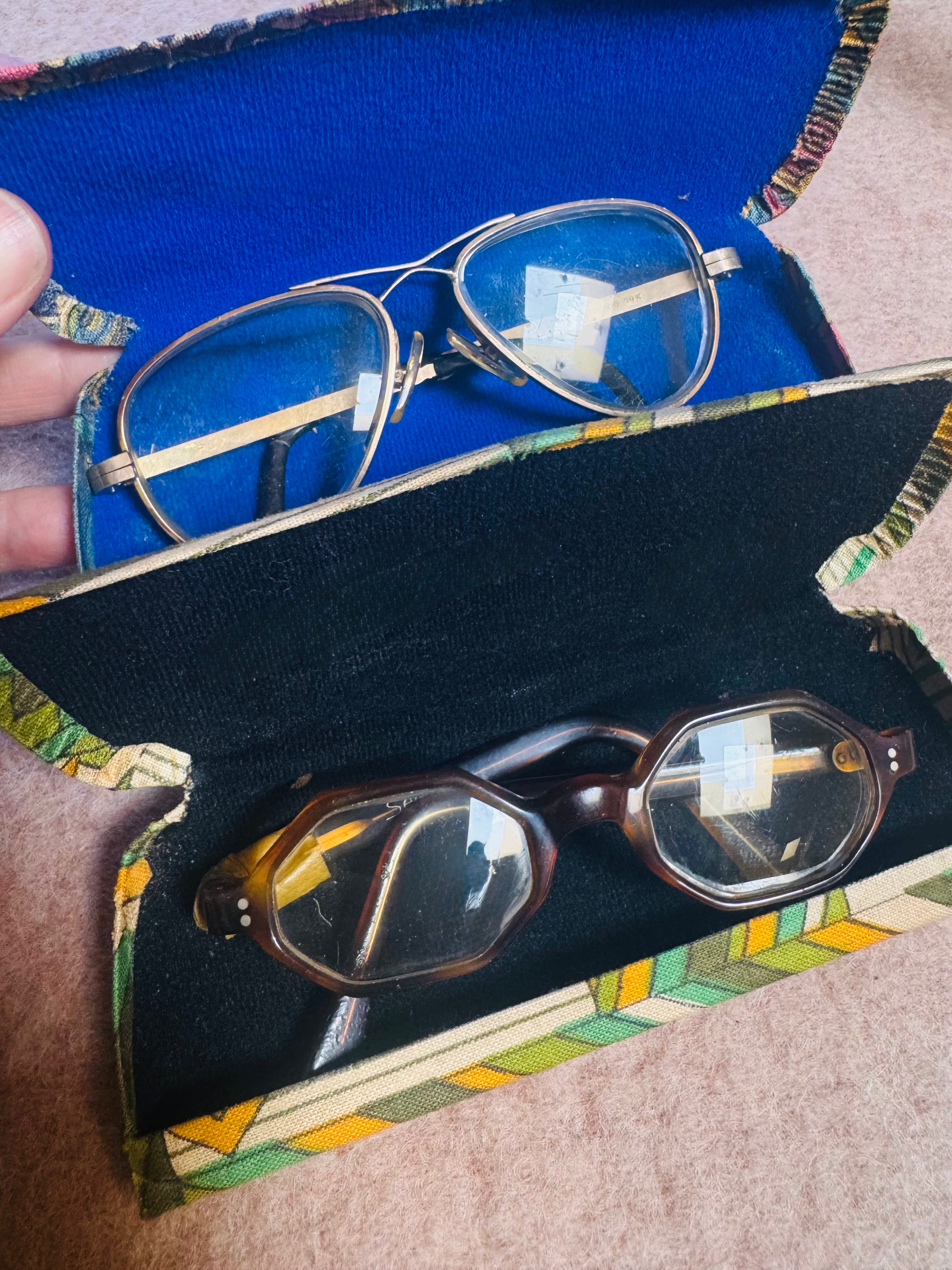
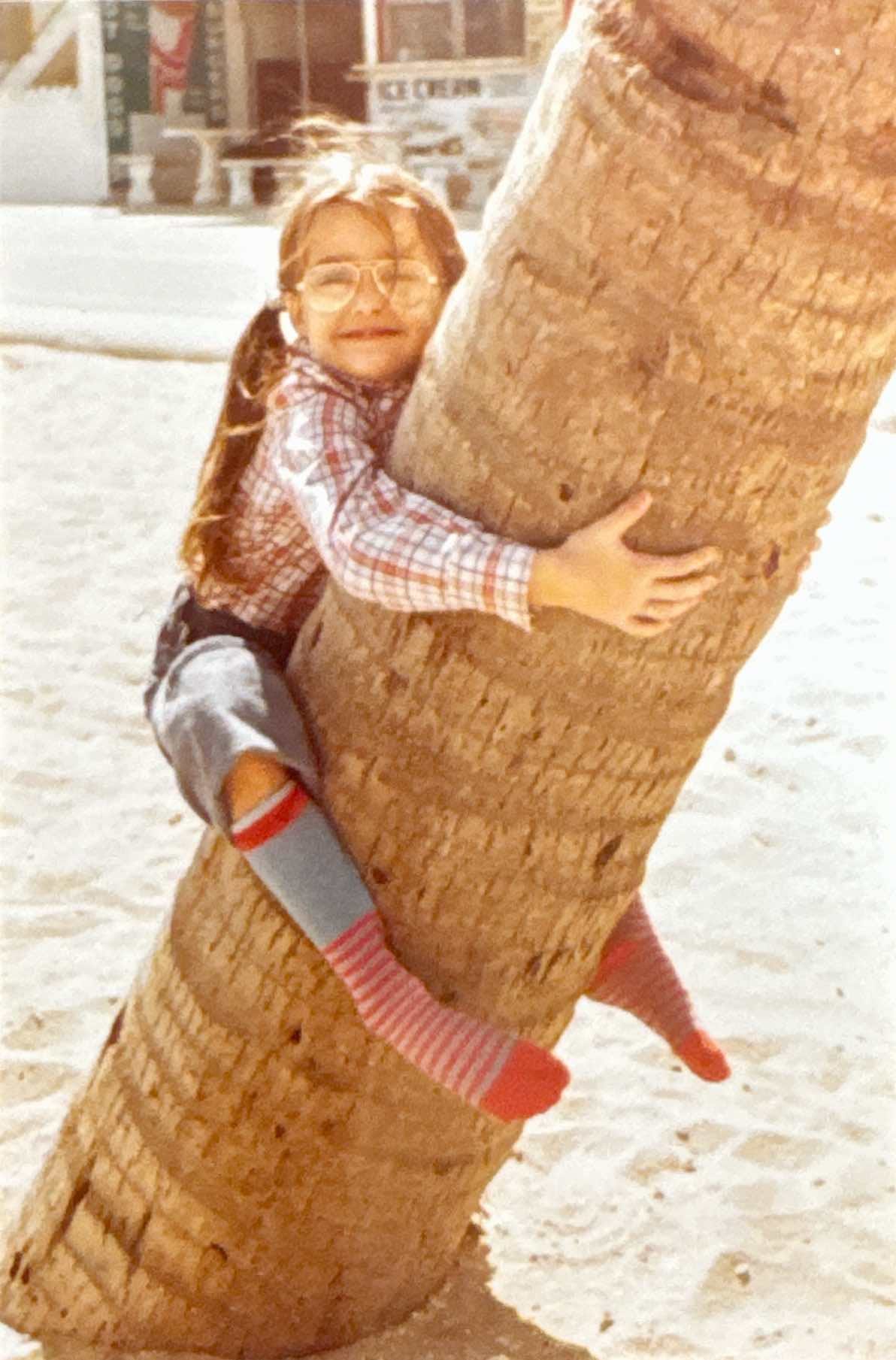
My mom saved them. The bottom octagonals are at least five decades years old. The aviators featured below, maybe forty-eight years with me, I must’ve been about six or so. I’ve never not been hugging trees. Here I’m on my Gramma Belle’s favorite beach with the hot dog stand we frequented for years just behind me.
Back to Ellen, who comes for tea a few days later and offers wisdom James and I didn’t realize we’d needed. Turns out she’s worked years ago with our friend Frank Ostaseski when he’d started the Zen Hospice on a shoestring in San Francisco; she’s sat with Roshi Joan Halifax, Abbot of Upaya, and has a decades-long practice, now living in Ithaca, home of my alma mater, Cornell University.
We lock eyes several times and can’t look away; tears fall at least twice over the tea.
We reminisce about our kindergarten teacher (Mrs. Mistretta, epic human, “G” is for gum—for EVERYONE—may you rest in peace) and our first grade teacher (Mrs. Klugman, we forgive you fully).
But it’s Ellen’s work in grief that has me feeling a longing to come closer to the magnificent tenderness, to find words for it, to sink into it. I realize I’ve been grieving; losses mostly ambiguous. Transmitting a rare example of emotional intelligence, she hold both her own fragility and her decades of experience in the same heart. When she’s sitting with grieving families in her work, especially after someone they loved has taken their own life, there are instances, sadnesses, she shares, that are simply inconsolable. As in, There is no consolation here.
No words to offer, just space, time, emptiness, a trustworthy presence. And this, for some reason, is comforting. I cannot fix it.
In her book Nothing Special, Charlotte Joko Beck invites us to rest in our pain, to come to know it, to turn toward it, rather than running from it. She invites us to see each thought we have about our the matters in our lives, and allow each thought to settle as we sit, and to stay with the sensation of our life “at this very moment” (p. 125), beneath that story. The whole day I’m thinking about this. Letting things settle. Turning toward, allowing the silt to fall to the bottom.
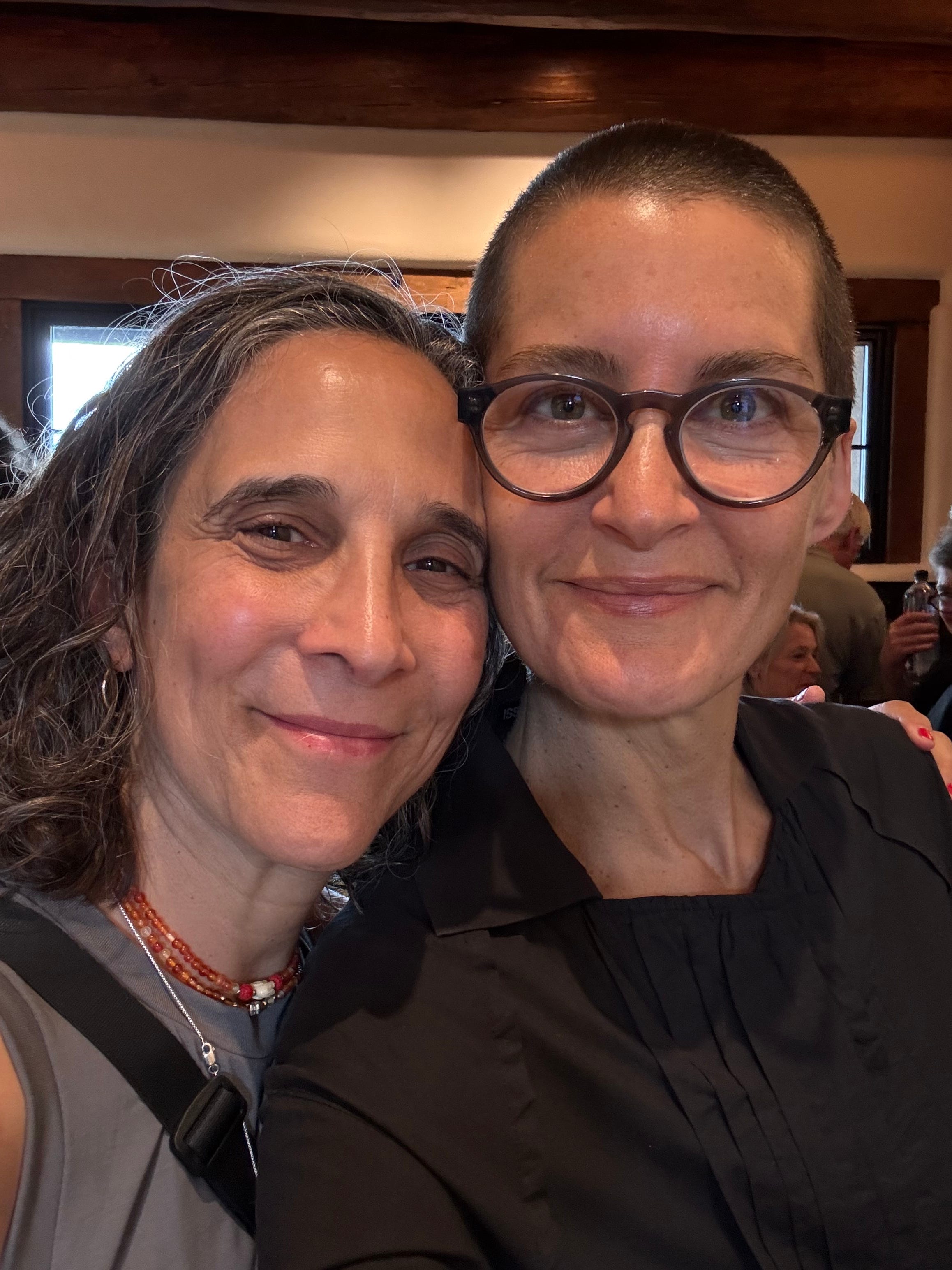
So here we are, in our mid-late fifties, having known one another since we were littles. Such a privilege to know this heart for so long, and to reconnect so intentionally.
If you have any stories of recent reconnection, or of inconsolability, or of letting your thoughts come to a certain settledness, I’d love to hear; tell me as long a story as you wish.
Reading and responding to you here is one of my favorite practices.

All paid subscription revenue is donated to causes benefiting women and girls. As a subscriber here, you’ll be invited to comment on all posts, access all archives and attend monthly Live Gatherings.
If you have financial need, scholarship subscriptions are available; message me here.
So beautiful, what a gift to encounter each other for the first time in so long in that energy at Upaya with Wendy's dharma talk still pulsing 🙏
Poetry, the writing of it, the experiencing of it has been on my mind a lot this week as I lean into writing poems to accompany photographs of life's memories. Chodo Campbell Sensei began a substack called The Dharma of Poetry this week, what timing, and I love this quote from him in his first piece titled "Notes on Grieving:"
"In Zen practice, we speak of bearing witness, or allowing things to be exactly as they are without turning away. Poems can help us do this. They don’t ask us to fix our grief or move beyond it. They sit beside us. They speak in a language that is closer to the heart than to the intellect."
(full article: https://substack.com/home/post/p-193732320)
I find myself drawn again and again back to poetry as a personal practice as I walk these inconsolable halls of my own memories and as I walk beside by best friend who received a terminal cancer diagnosis late last year. There is something within the silence that becomes essential to give voice to sometimes, but it can't be rushed. As much as I would often still love to find the words sooner...
A reading for the heart. Thank you. It went straight there, deep, soft and warm and gentle. Interesting to see the glasses in the case. I kept my father’s glasses, took them with me after he passed away. There is so much of him in the case, with the glasses …